
America is (Less Than) Exceptional When It Comes to Child Benefits
Direct cash benefit programs show long term success in many countries.
October 27, 2026
A baby is born. Her mother is poor.
In the United States, the mother is told where to go for food, where to apply for housing assistance, how much she may earn before losing a benefit, which expenses qualify, which do not, and which form she must complete before she can receive help.
In Germany and other countries, the government simply sends her money.
The difference is more than administrative. It is a difference in what we believe about families.
The United States relies on a patchwork of means-tested programs and tax provisions and spends less on family benefits, both in cash and services, than many comparable countries. In 2021, countries in the Organisation for Economic Co-operation and Development (OECD) spent an average of 2.35% of GDP on family benefits; the United States spent less than 1%. In Europe, direct family benefits are treated as part of an investment in raising children. Germany's Kindergeld, for example, pays €259 per child per month in 2026.
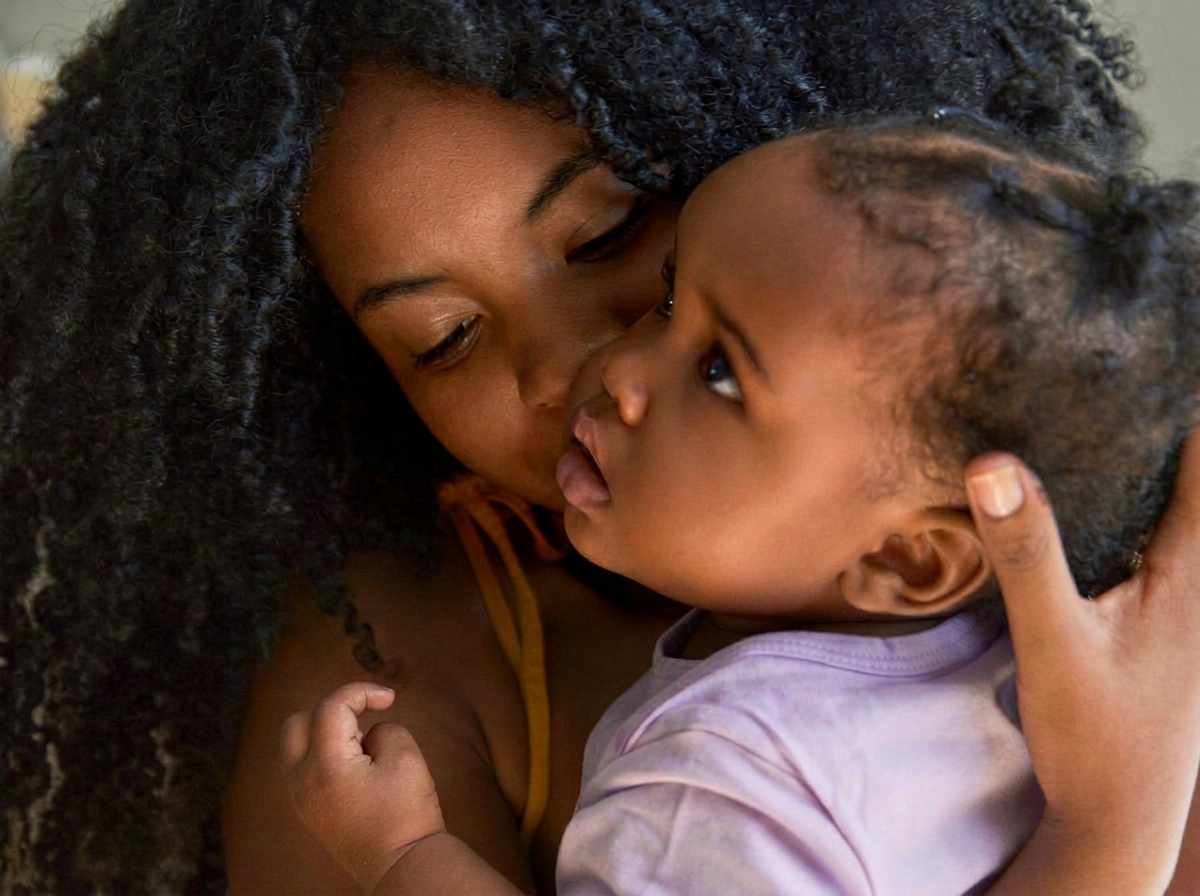
This matters most in the first three years of a child's life, a period of extraordinary development. A mother who cannot pay the electric bill or meet other household expenses is not simply experiencing an economic problem. She is carrying stress into the environment where her baby's brain and emotional life are developing.
That’s why Family Health Project gives first-time mothers $400 cash every month for the first three years of their baby's life. There is no approved shopping list (diapers, but not shoes, for example). No requirement that a mother prove that she has spent the money “correctly.” The money arrives on a debit card, and the mother decides what her family needs. FHP works through community health centers, where mothers already receive care.
It sounds almost too simple. But simplicity is the point.
One FHP mother was seventeen when her baby was born. She was living with her brother's family and attending GED classes. Her monthly payment contributed to rent and childcare while she completed her education. The money did not come with another caseworker telling her what she should do. It did give her more room to make the decision she already understood: she wanted an education and a better future for her child.
For another FHP mother, the money helped pay for groceries. Another described something less tangible but perhaps just as important: confidence.
These are not extravagant purchases. They are the ordinary transactions of family life.
That is why cash can be such a powerful public-health intervention. The United States has tested this idea. In 2021, the expanded Child Tax Credit sent most families monthly payments of up to $300 per child, and child poverty fell to 5.2%, the lowest on record. When the payments ended, child poverty more than doubled, to 12.4% in 2022, according to the Census Bureau.
A bureaucracy decides in advance what a poor family needs. A mother already knows. The American system often asks a struggling family to navigate programs designed around categories and constraints: food, housing, healthcare, childcare, transportation. But poverty does not operate in categories. A mother may need diapers this week, a doctor's visit next week, and help with the rent the week after. What she needs most may be the freedom to decide.
European family-benefit systems are not identical, and they are not without bureaucracy or political controversy. But the underlying principle is different: Raising children is a shared responsibility, not a private problem that poor parents must prove they cannot solve by themselves.
Family Health Project delivers on that principle today in American communities.
We know what happens when financial insecurity becomes chronic: stress rises, choices narrow, and the ordinary work of parenting becomes harder. We see what happens when a mother has a little financial breathing room. She can plan. She can respond rather than react. She can buy what her family needs. She can think about next month instead of only tomorrow.
Sometimes the most effective public-health program is not another program.
Sometimes it is simply giving a mother the money—and the dignity—to know what her child needs.